Sports Card Blogs
Recent headlines and news,Premier league, champions league, European and world football football news.
Recent headlines and news,Premier league, champions league, European and world football football news.
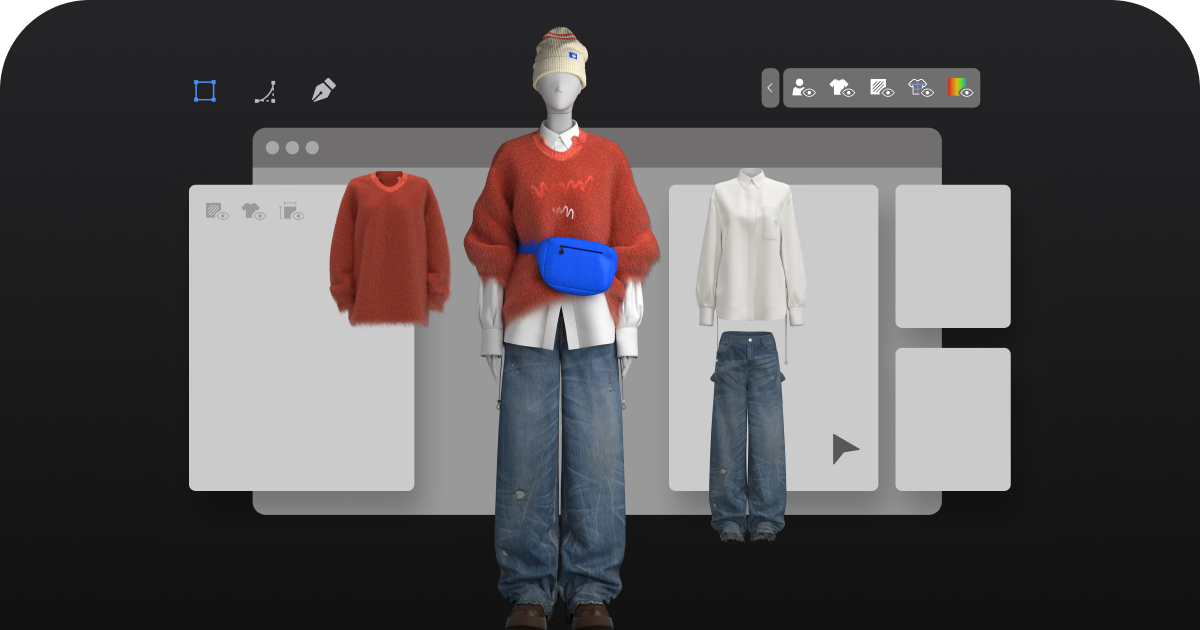
# Fashion Design Software: Tools for Modern Creatives
## The Evolution of Fashion Design Tools
Fashion design has undergone a digital revolution in recent years, with software tools transforming how designers conceptualize, create, and present their work. Gone are the days when fashion design relied solely on paper sketches and physical prototypes. Today’s designers leverage powerful software solutions that streamline the creative process while offering unprecedented precision and flexibility.
## Essential Features of Fashion Design Software
Modern fashion design software typically includes several key features:
– Digital sketching and illustration tools
– Pattern making and grading capabilities
– 3D garment visualization
– Fabric simulation and draping
– Color palette management
– Technical drawing functions
– Collaboration and sharing options
These features allow designers to experiment with ideas quickly, make adjustments effortlessly, and present professional-quality designs to clients or manufacturers.
## Popular Fashion Design Software Options
### 1. Adobe Illustrator
While not exclusively for fashion, Illustrator remains a favorite for its vector-based drawing tools perfect for creating clean, scalable fashion illustrations and technical flats.
### 2. CLO 3D
This innovative software specializes in 3D garment design, allowing designers to visualize how fabrics will drape and move on virtual models before creating physical samples.
### 3. Browzwear
A professional-grade solution offering advanced 3D visualization, pattern making, and true-to-life fabric simulation for apparel designers.
### 4. Optitex
Combining 2D pattern making with 3D prototyping, Optitex helps designers create accurate patterns and visualize garments in realistic environments.
## Benefits of Using Digital Tools in Fashion Design
The advantages of fashion design software extend beyond simple convenience:
– Reduced material waste through digital prototyping
– Faster iteration and design refinement
– Improved accuracy in pattern making
– Enhanced collaboration across teams
– Easier documentation and version control
– Cost savings in sample production
## Choosing the Right Software for Your Needs
When selecting fashion design software, consider:
– Your specific design focus (apparel, accessories, footwear)
– Technical skill level and learning curve
– Integration with other tools in your workflow
– Budget constraints
– Hardware requirements
– Output needs (technical specs vs. artistic presentations)
Many software providers offer free trials or scaled-down versions, allowing you to test different options before committing.
Keyword: fashion design software
## The Future of Fashion Design Technology
Emerging technologies like AI-assisted design, virtual reality draping, and blockchain for supply chain transparency are already beginning to influence fashion design software. As these tools become more sophisticated and accessible, they’ll continue to reshape how fashion is conceived, produced, and brought to market.
For today’s fashion creatives, mastering digital design tools isn’t just an advantage—it’s becoming an essential part of the professional toolkit. Whether you’re an independent designer or part of a large fashion house, the right software can elevate your creative process and help bring your vision to life with greater efficiency and precision than ever before.