Sports Card Blogs
Recent headlines and news,Premier league, champions league, European and world football football news.
Recent headlines and news,Premier league, champions league, European and world football football news.
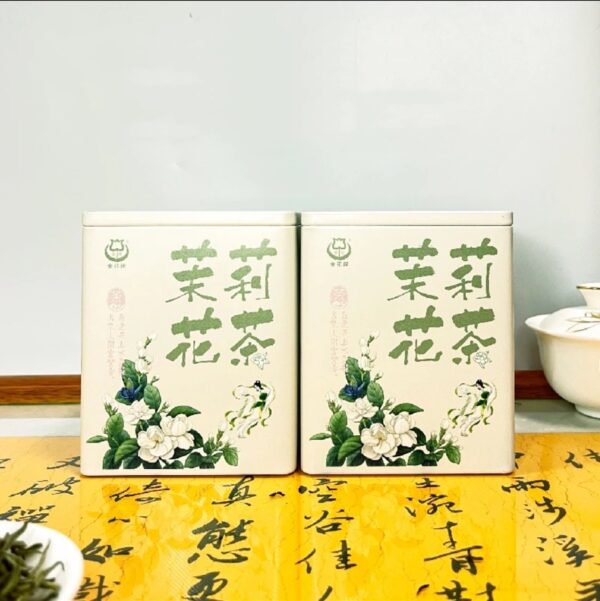
# Jasmine Tea: A Fragrant and Soothing Beverage
## The Allure of Jasmine Tea
Jasmine tea is one of the most beloved scented teas in the world, renowned for its delicate floral aroma and smooth, soothing taste. This fragrant beverage has been enjoyed for centuries, originating in China during the Song Dynasty (960-1279 AD). The tea’s popularity has since spread globally, captivating tea enthusiasts with its unique combination of floral notes and tea base.
## How Jasmine Tea is Made
The production of jasmine tea is an art form that requires patience and precision. The process typically involves:
– Selecting high-quality green tea leaves as the base
– Harvesting fresh jasmine blossoms at their peak fragrance
– Layering tea leaves with jasmine flowers for several nights
– Removing the flowers after the scent has been absorbed
– Repeating the process for stronger floral notes
This traditional method ensures that the tea absorbs the natural oils and fragrance of the jasmine flowers without artificial additives.
## Health Benefits of Jasmine Tea
Beyond its delightful taste and aroma, jasmine tea offers numerous health benefits:
– Rich in antioxidants that help combat free radicals
– May promote relaxation and reduce stress
– Contains compounds that support heart health
– Can aid in digestion and weight management
– May boost the immune system
The combination of green tea polyphenols and jasmine’s natural properties creates a beverage that’s as beneficial as it is delicious.
## Brewing the Perfect Cup
To fully enjoy jasmine tea’s delicate flavors, proper brewing is essential:
1. Use fresh, filtered water heated to about 175°F (80°C)
2. Add 1 teaspoon of tea leaves per 8 oz cup
3. Steep for 2-3 minutes for optimal flavor
4. Avoid oversteeping to prevent bitterness
5. Enjoy plain or with a touch of honey
Higher quality jasmine teas can often be steeped multiple times, with each infusion revealing different nuances of flavor.
## Varieties of Jasmine Tea
Jasmine tea comes in several forms, including:
– Jasmine Pearl Tea: Hand-rolled leaves that unfurl during brewing
– Jasmine Silver Needle: Made with white tea buds for a delicate taste
– Jasmine Green Tea: The most common variety with a balanced flavor
– Jasmine Oolong: Offers a more robust taste with floral notes
Each variety provides a unique tasting experience while maintaining the characteristic jasmine fragrance.
## Cultural Significance
In Chinese culture, jasmine tea holds special meaning:
– Often served to guests as a gesture of hospitality
– Used in traditional tea ceremonies
– Associated with purity and elegance
– Symbolizes the coming together of nature’s elements
The tea’s popularity has made it a cultural ambassador, introducing many people worldwide to the sophistication of Chinese tea traditions.
## Pairing Jasmine Tea with Food
Jasmine tea’s versatility makes it excellent for food pairing:
Keyword: jasmine tea
– Complements light dishes like steamed fish or vegetables
– Balances the richness of dim sum
– Pairs well with mildly sweet desserts
– Can be used as a base for tea-infused cocktails
Its floral notes can enhance a meal without overpowering other flavors.
## Conclusion
Jasmine tea offers a multisensory experience that combines visual beauty, aromatic pleasure, and delicate flavor. Whether you’re seeking a moment of tranquility, a healthful beverage, or simply a delicious cup of tea, jasmine tea delivers on all fronts. Its centuries-old tradition continues to enchant modern tea drinkers, proving that some pleasures truly are timeless.