Sports Card Blogs
Recent headlines and news,Premier league, champions league, European and world football football news.
Recent headlines and news,Premier league, champions league, European and world football football news.
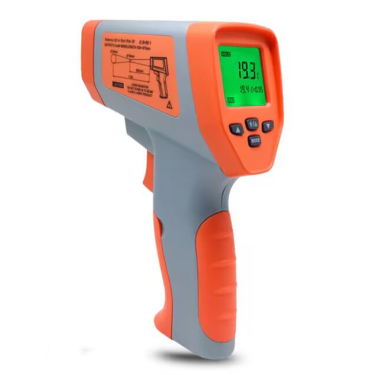
# How to Use a Cooking Thermometer for Perfectly Cooked Meals
A cooking thermometer is one of the most valuable tools in any kitchen. Whether you’re grilling, roasting, or baking, it ensures your food reaches the perfect internal temperature for both safety and taste. No more guessing if your chicken is done or your steak is medium-rare—this simple device takes the uncertainty out of cooking.
Before using a cooking thermometer, it’s important to know which type suits your needs:
Insert the thermometer into the thickest part of the food, avoiding bones, fat, or gristle, which can give false readings. For poultry, check the breast or thigh. For roasts, aim for the center.
If using an instant-read thermometer, wait about 15-30 seconds for the temperature to stabilize. For oven-safe or probe thermometers, monitor the temperature continuously as the food cooks.
Different foods require different internal temperatures for safety and optimal doneness:
| Food | Safe Internal Temperature (°F) |
|---|---|
| Poultry (chicken, turkey) | 165°F |
| Ground meats (beef, pork) | 160°F |
| Steaks, roasts (medium-rare) | 145°F |
| Fish | 145°F |
| Pork (chops, tenderloin) | 145°F |
After each use, wash the probe with hot, soapy water to prevent cross-contamination. Some thermometers have waterproof designs for easy cleaning.
A cooking thermometer is a small investment that makes a big difference in your meals. By using it correctly, you’ll achieve perfectly cooked