Sports Card Blogs
Recent headlines and news,Premier league, champions league, European and world football football news.
Recent headlines and news,Premier league, champions league, European and world football football news.
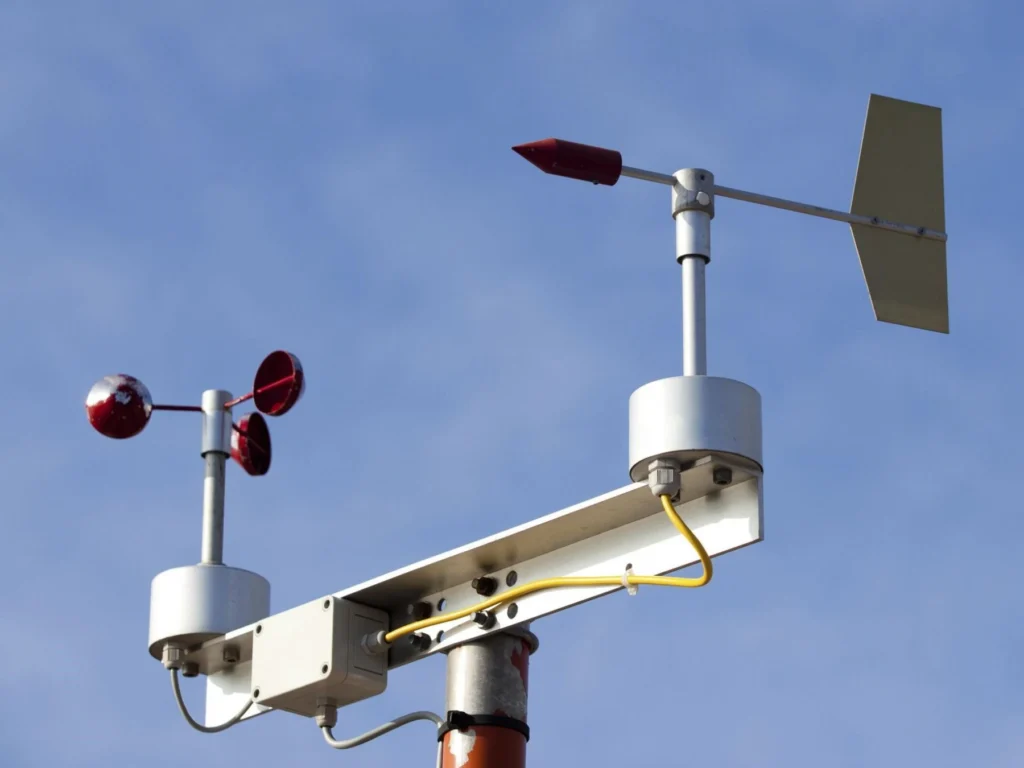
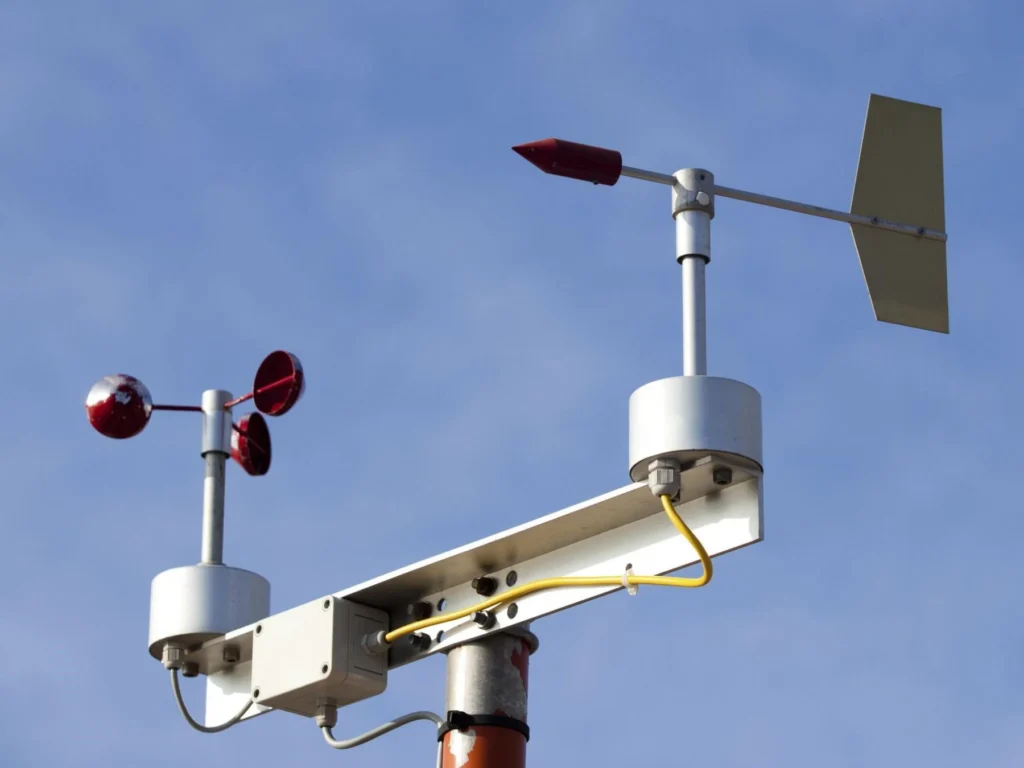
# Wind Measuring Instrument: A Comprehensive Guide to Anemometers and Their Applications
Wind measuring instruments, commonly known as anemometers, are essential tools for accurately measuring wind speed and direction. These devices are widely used in various fields, including meteorology, aviation, marine navigation, and environmental monitoring. This guide will explore the different types of anemometers, their working principles, and their applications.
## What is an Anemometer?
An anemometer is a device designed to measure the speed and sometimes the direction of wind. The term “anemometer” is derived from the Greek word “anemos,” meaning wind. These instruments are crucial for understanding weather patterns, ensuring safety in aviation and marine operations, and optimizing renewable energy systems like wind turbines.
## Types of Anemometers
There are several types of anemometers, each with its unique mechanism for measuring wind speed and direction. The most common types include:
### 1. Cup Anemometers
Cup anemometers are one of the oldest and most widely used types. They consist of three or four cups mounted on horizontal arms, which rotate when exposed to wind. The speed of rotation is proportional to the wind speed, and this data is then converted into a readable measurement.
### 2. Vane Anemometers
Vane anemometers, also known as windmill anemometers, feature a propeller or a set of blades that rotate in response to wind. The rotation speed is measured to determine wind speed, and the direction of the vane indicates wind direction.
### 3. Hot-Wire Anemometers
Hot-wire anemometers use a thin wire heated to a constant temperature. As wind passes over the wire, it cools down, and the change in temperature is used to calculate wind speed. These anemometers are highly sensitive and are often used in laboratory settings.
### 4. Ultrasonic Anemometers
Ultrasonic anemometers measure wind speed and direction using ultrasonic sound waves. They consist of multiple pairs of transducers that send and receive sound waves. The time it takes for the sound waves to travel between the transducers is used to calculate wind speed and direction.
### 5. Laser Doppler Anemometers
Laser Doppler anemometers use laser beams to measure the velocity of particles in the air. By analyzing the Doppler shift of the laser light scattered by these particles, the wind speed can be determined. These anemometers are highly accurate and are used in research and industrial applications.
## Applications of Anemometers
Anemometers have a wide range of applications across various industries. Some of the key applications include:
### 1. Meteorology
In meteorology, anemometers are used to measure wind speed and direction, which are critical for weather forecasting and climate studies. Accurate wind measurements help in predicting storms, hurricanes, and other weather phenomena.
### 2. Aviation
In aviation, anemometers are essential for ensuring the safety of aircraft during takeoff, landing, and flight. Pilots rely on accurate wind speed and direction data to make informed decisions and avoid hazardous conditions.
### 3. Marine Navigation
Marine vessels use anemometers to monitor wind conditions, which are crucial for navigation and safety. Understanding wind patterns helps in optimizing sailing routes and avoiding dangerous weather conditions.
### 4. Environmental Monitoring
Anemometers are used in environmental monitoring to study air quality, pollution dispersion, and the impact of wind on ecosystems. They help in assessing the environmental impact of industrial activities and urban development.
### 5. Renewable Energy
In the renewable energy sector, anemometers are used to assess wind resources for wind turbine installations. Accurate wind speed measurements are essential for determining the feasibility and efficiency of wind energy projects.
## Conclusion
Anemometers are indispensable tools for measuring wind speed and direction, with applications spanning meteorology, aviation, marine navigation, environmental monitoring, and renewable energy. Understanding the different types of anemometers and their working principles can help in selecting the right instrument for
Keyword: wind measuring instrument