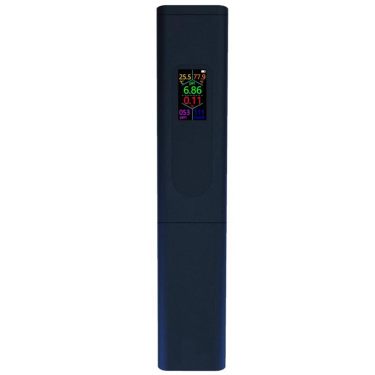
**Pool Thermometer: Essential Tool for Maintaining Water Temperature**
html
Pool Thermometer: Essential Tool for Maintaining Water Temperature
A pool thermometer is a simple yet indispensable tool for any pool owner. Whether you have an in-ground or above-ground pool, maintaining the right water temperature ensures comfort, safety, and optimal swimming conditions. In this article, we’ll explore why a pool thermometer is essential, how to use it, and what features to look for when purchasing one.
Why You Need a Pool Thermometer
Monitoring your pool’s water temperature is crucial for several reasons:
Comfort: Swimming in water that’s too cold or too warm can be unpleasant. A thermometer helps you adjust the temperature to suit your preferences.
Safety: Extremely cold water can pose health risks, while overly warm water may encourage bacterial growth.
Energy Efficiency: Knowing the exact temperature allows you to optimize heating systems, saving energy and reducing costs.
Chemical Balance: Water temperature affects how chemicals like chlorine work, so maintaining the right range ensures effective sanitation.
How to Use a Pool Thermometer
Using a pool thermometer is straightforward:
Place the thermometer in the water, ideally in a shaded area away from direct sunlight for an accurate reading.
Wait a few minutes for the thermometer to stabilize and display the current temperature.
Check the reading regularly, especially before swimming or adjusting pool equipment.
Choosing the Right Pool Thermometer
When selecting a pool thermometer, consider the following features:
Type: Digital thermometers offer quick readings, while floating or analog thermometers are more traditional.
Durability: Look for weather-resistant materials that can withstand pool chemicals and UV exposure.
Accuracy: Ensure the thermometer provides precise measurements within a reasonable range (typically 32°F to 120°F).
Ease of Use: A clear display and easy-to-read numbers are essential for convenience.
Conclusion
A pool thermometer is a small investment that pays off in comfort, safety, and efficiency. By regularly monitoring your pool’s temperature, you can enjoy a better swimming experience while keeping maintenance costs under control. Whether you opt for a digital or floating model, make sure it meets your needs and provides reliable readings for years to come.