Sports Card Blogs
Recent headlines and news,Premier league, champions league, European and world football football news.
Recent headlines and news,Premier league, champions league, European and world football football news.
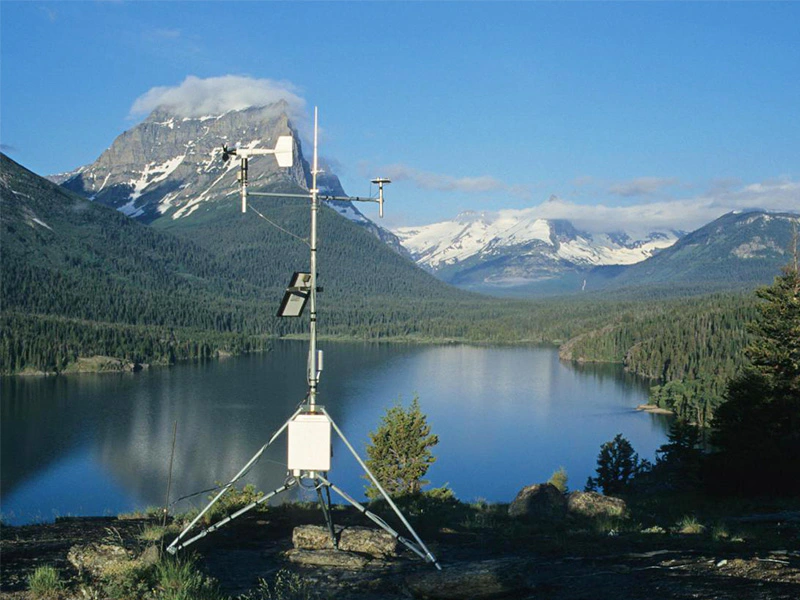
# What is a Meteorological Station?
A meteorological station, also known as a weather station, is a facility equipped with instruments and tools designed to measure and record atmospheric conditions. These stations play a crucial role in weather forecasting, climate research, and environmental monitoring.
## Key Components of a Meteorological Station
Meteorological stations typically include several essential instruments:
– Thermometer: Measures air temperature.
– Barometer: Records atmospheric pressure.
– Hygrometer: Measures humidity levels.
– Anemometer: Tracks wind speed and direction.
– Rain gauge: Measures precipitation amounts.
– Pyranometer: Records solar radiation.
## Types of Meteorological Stations
There are several types of weather stations, each serving different purposes:
### 1. Surface Weather Stations
These are the most common type, located at ground level to measure surface weather conditions.
### 2. Upper-Air Stations
These stations use weather balloons (radiosondes) to collect data from higher altitudes.
### 3. Automated Weather Stations (AWS)
These unmanned stations automatically collect and transmit weather data at regular intervals.
### 4. Agricultural Weather Stations
Specialized stations designed to monitor conditions important for farming and crop management.
## Importance of Meteorological Stations
Meteorological stations serve numerous critical functions:
– Providing data for weather forecasts and warnings
– Supporting climate change research
– Aiding in agricultural planning
– Assisting in aviation and marine navigation
– Contributing to disaster preparedness
## Data Collection and Transmission
Modern meteorological stations often use advanced technology to collect and transmit data:
– Automatic sensors record measurements at regular intervals
– Data is transmitted via satellite, radio, or internet connections
– Information is processed by meteorological organizations worldwide
– Data contributes to global weather models and climate studies
## Location Considerations
The placement of weather stations is carefully planned to ensure accurate measurements:
– Stations are typically located in open areas away from buildings and trees
– Elevation and surrounding terrain are important factors
– Some stations are placed in remote locations to monitor specific conditions
– Urban stations help track city-specific weather patterns
## Historical Development
The concept of weather observation dates back centuries:
– Early weather instruments were developed in the 15th-17th centuries
– The first organized weather observation networks appeared in the 19th century
– Automation began in the mid-20th century
– Satellite technology revolutionized weather monitoring in the late 20th century
## Future of Meteorological Stations
Technological advancements continue to improve weather monitoring:
– Increased automation and remote sensing capabilities
– Integration with IoT (Internet of Things) devices
– Development of more compact and portable stations
– Enhanced data processing through artificial intelligence
Meteorological stations remain fundamental tools for understanding and predicting weather patterns, making them invaluable for numerous sectors of society.
Keyword: what is meteorological station