Sports Card Blogs
Recent headlines and news,Premier league, champions league, European and world football football news.
Recent headlines and news,Premier league, champions league, European and world football football news.
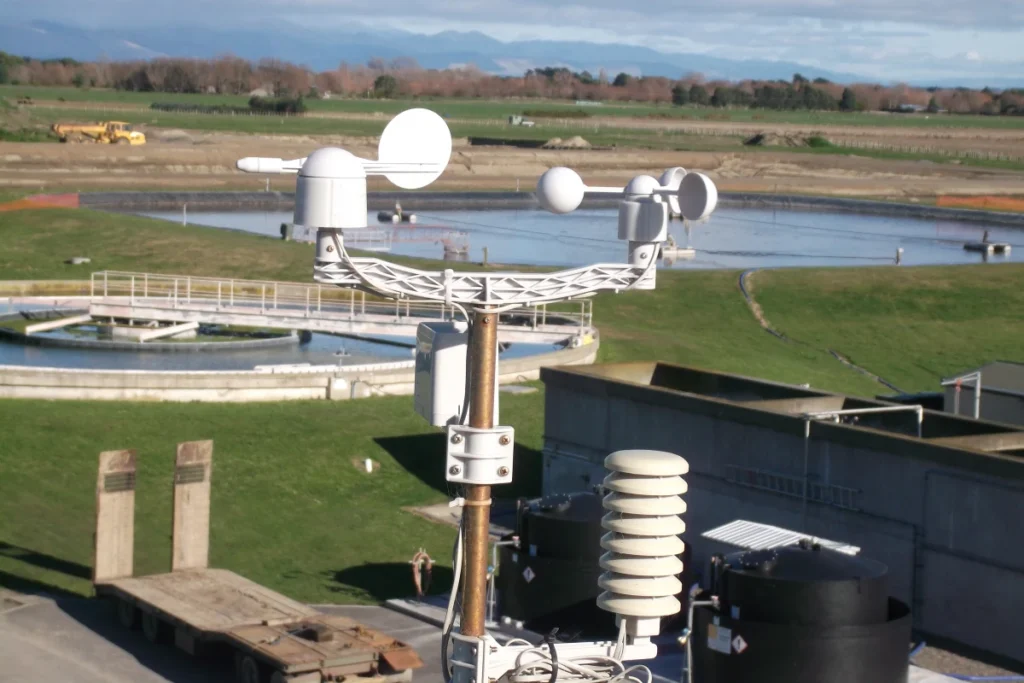
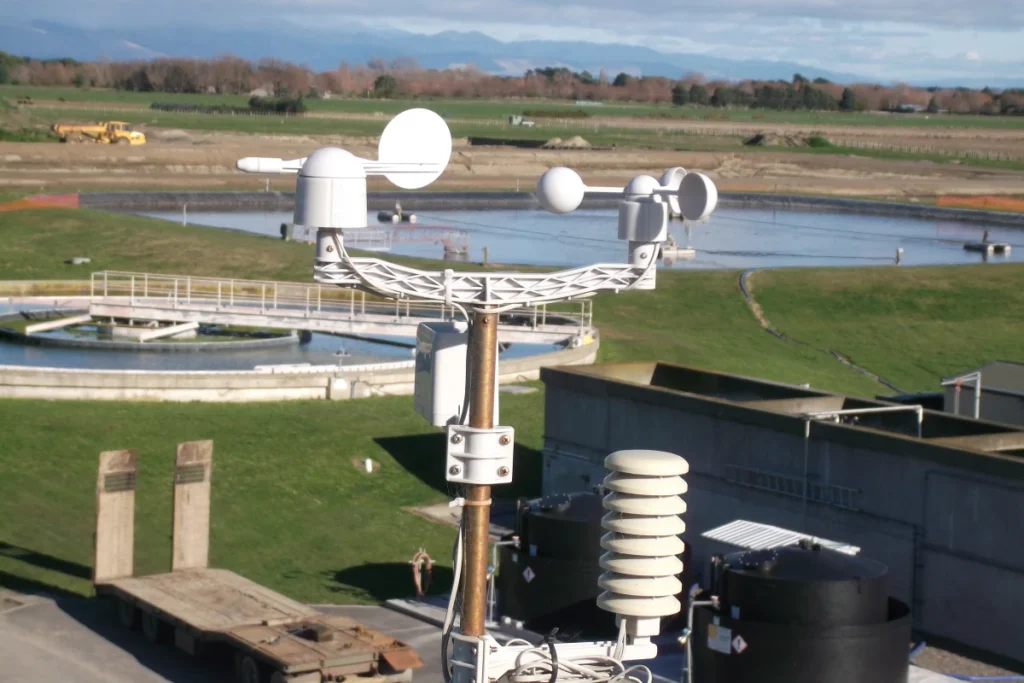
# Definition of Anemometer: Understanding Wind Speed Measurement
An anemometer is a device used to measure wind speed, a critical parameter in various fields such as meteorology, aviation, and environmental science. Understanding how an anemometer works and its applications can provide valuable insights into weather patterns and environmental conditions.
## What is an Anemometer?
An anemometer is an instrument designed to measure the speed of wind. The term “anemometer” is derived from the Greek word “anemos,” meaning wind, and “metron,” meaning measure. There are several types of anemometers, each with its own method of measuring wind speed, but they all serve the same fundamental purpose.
### Types of Anemometers
There are several types of anemometers, each with unique mechanisms for measuring wind speed:
– Cup Anemometer: This is the most common type, consisting of three or four cups mounted on horizontal arms. The wind causes the cups to rotate, and the speed of rotation is proportional to the wind speed.
– Vane Anemometer: Also known as a windmill anemometer, this type uses a propeller or a set of blades that rotate when exposed to wind. The rotation speed is measured to determine wind speed.
– Hot-Wire Anemometer: This type uses a thin wire heated to a constant temperature. The wind cools the wire, and the amount of cooling is used to calculate the wind speed.
– Ultrasonic Anemometer: This advanced type uses ultrasonic sound waves to measure wind speed. It calculates the time it takes for sound waves to travel between sensors, which changes with wind speed.
## How Does an Anemometer Work?
The working principle of an anemometer depends on its type. For example, in a cup anemometer, the wind causes the cups to rotate. The rotation speed is then converted into an electrical signal, which is processed to determine the wind speed. Similarly, in a hot-wire anemometer, the cooling effect of the wind on a heated wire is measured to calculate wind speed.
### Applications of Anemometers
Anemometers are used in a variety of applications, including:
– Weather Forecasting: Meteorologists use anemometers to measure wind speed and predict weather patterns.
– Aviation: Pilots rely on anemometers to assess wind conditions for safe takeoff and landing.
– Environmental Monitoring: Anemometers are used to monitor wind speed in environmental studies, such as assessing the impact of wind on ecosystems.
– Wind Energy: In the wind energy sector, anemometers are crucial for determining the potential energy output of wind turbines.
## Conclusion
An anemometer is an essential tool for measuring wind speed, with applications ranging from weather forecasting to environmental monitoring. Understanding the different types of anemometers and how they work can help in selecting the right instrument for specific needs. Whether you’re a meteorologist, pilot, or environmental scientist, an anemometer is a valuable device for understanding and harnessing the power of wind.
Keyword: define anemometer